The Truth About Buying & Selling a Home with Solar in Florida
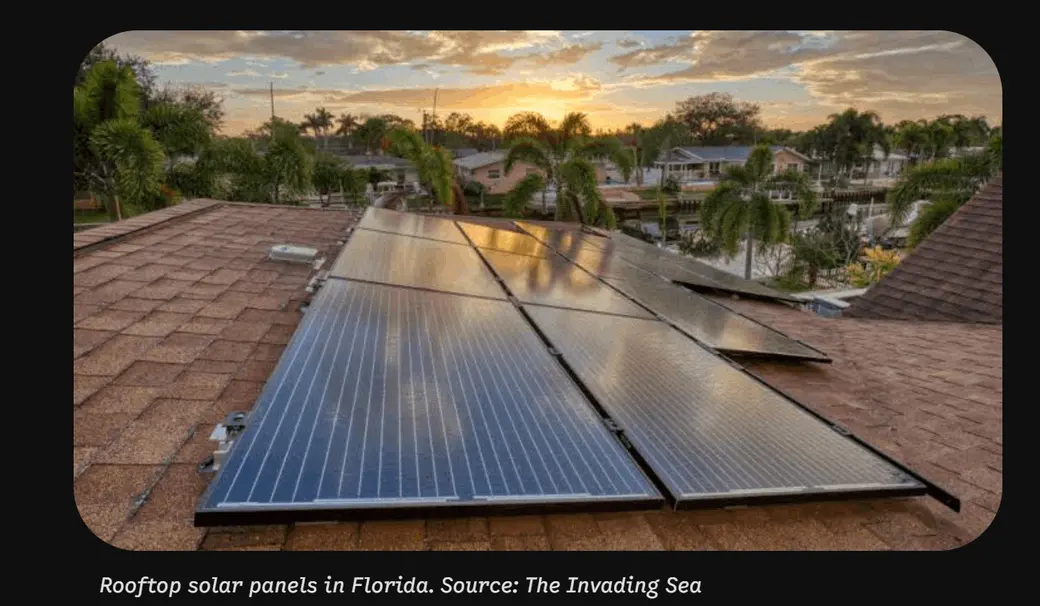
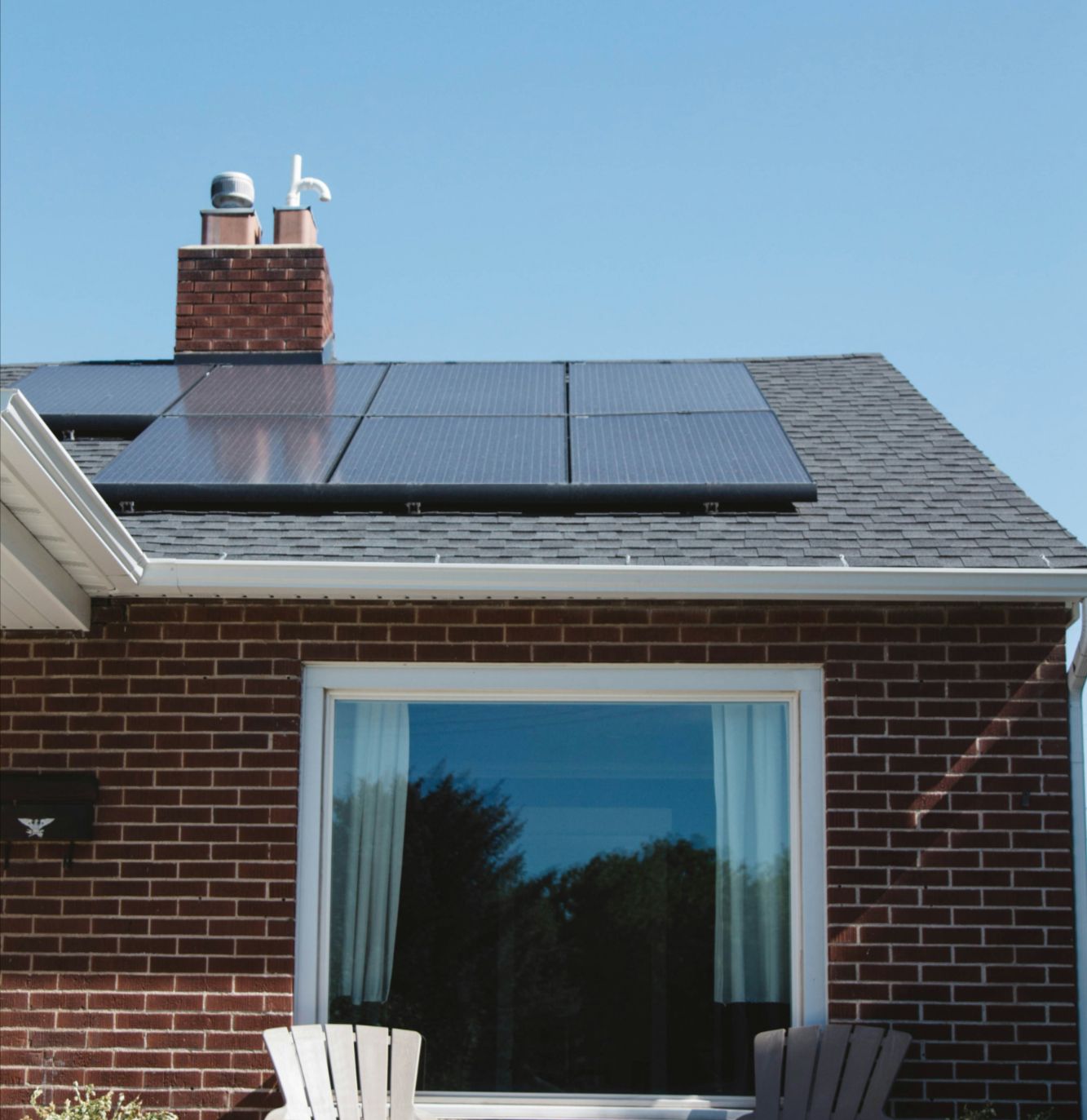 Solar panels are a growing sight across Daytona Beach, Ormond Beach, and Port Orange. While the promise of lower utility bills and energy resilience is attractive, a solar installation adds significant legal, financial, and structural layers to a real estate transaction.
Whether you are listing a solar-equipped property or looking to buy one, here is how solar panels impact mortgage underwriting, appraisals, and closing—and how the Doors to Shores Team helps you navigate every step.
1. Ownership Structure: Owned vs. Leased vs. PACE Loans
How the solar system was purchased is the single most important factor in a real estate transaction:
-
Owned Outright: If the system is fully paid off, it transfers smoothly to the buyer and can be evaluated by an appraiser for contributory value.
-
Leased / PPA (Power Purchase Agreement): The panels belong to a third party. The buyer must formally assume the lease contract, which adds a monthly payment to their mortgage underwriting calculations and may involve Uniform Commercial Code (UCC) liens.
-
PACE Loans: In Florida, Property Assessed Clean Energy (PACE) financing allows homeowners to pay for solar through their annual property tax bill. Because a PACE lien takes priority over a standard mortgage, most mortgage lenders require PACE loans to be paid off completely before or at closing.
2. The Intersection of Solar, Roof Age, and Florida Insurance
In coastal Volusia County, property insurance is already a major financial consideration. Because solar panels are roof-mounted, a roof inspection is non-negotiable. If the underlying shingles are nearing the end of their useful life, replacing the roof requires hiring technicians to remove, store, and reinstall the panels—an expense that must be factored into your negotiations.
3. How Much Value Does Solar Actually Add?
A solar array only adds market value if it is owned outright and properly documented. To get full credit during an appraisal, sellers should provide:
-
The original installation and permitting paperwork.
-
12–24 months of past electricity bills and net-metering production records.
-
Transferable warranty documentation for both the panels and the inverter.
Ultimately, rooftop solar can be a powerful asset for an East Volusia home—but only when the legal, structural, and financial details are managed correctly from day one. Whether you are a buyer navigating a third-party lease assumption or a seller aiming to showcase your home’s energy savings, a smooth closing comes down to transparent documentation, a healthy roof, and understanding lender requirements around financing like PACE loans upfront. By partnering with a knowledgeable local REALTOR® who understands the intersection of coastal property insurance, mortgage underwriting, and solar valuation, you can avoid last-minute surprises at the closing table and make solar energy work to your financial advantage.
Categories
Recent Posts